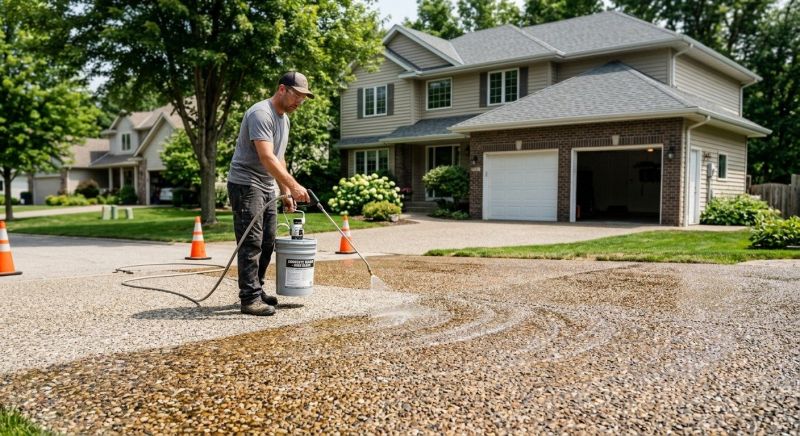
Aggregate Sealing in Kitsap County, WA
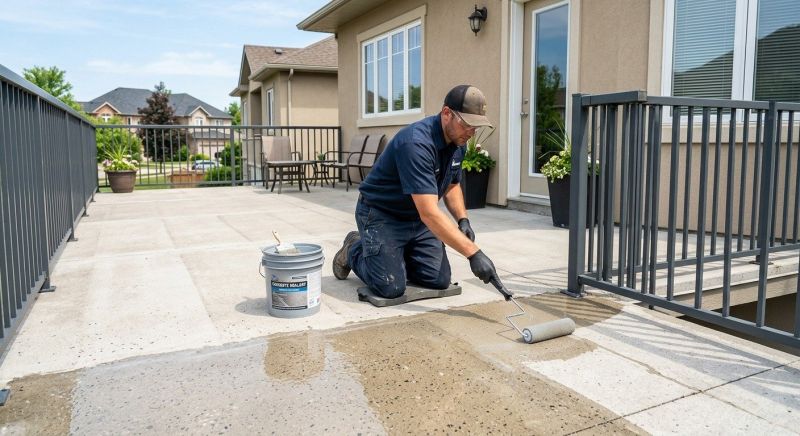
Aggregate sealing services involve applying a protective coating to paved surfaces made of crushed stone, gravel, or other aggregate materials. This process helps prevent erosion, weed growth, and damage caused by weather and foot or vehicle traffic. Common projects include sealing driveways, walkways, patios, and other outdoor surfaces to enhance durability and appearance. Property owners typically want to understand the benefits of sealing, such as increased longevity and reduced maintenance, as well as the preparation steps required before the application.
Before requesting aggregate sealing, property owners should consider the current condition of the surface, including any existing cracks or loose materials that may need repair beforehand. It’s also important to understand the appropriate timing for sealing, usually after the surface has been properly cleaned and dried. Clarifying the type of sealant used and its suitability for specific aggregate materials can help ensure the best results for the project.
Many property owners in Kitsap County, WA look into Aggregate Sealing for repairs, replacements, upgrades, and appearance-related improvements.
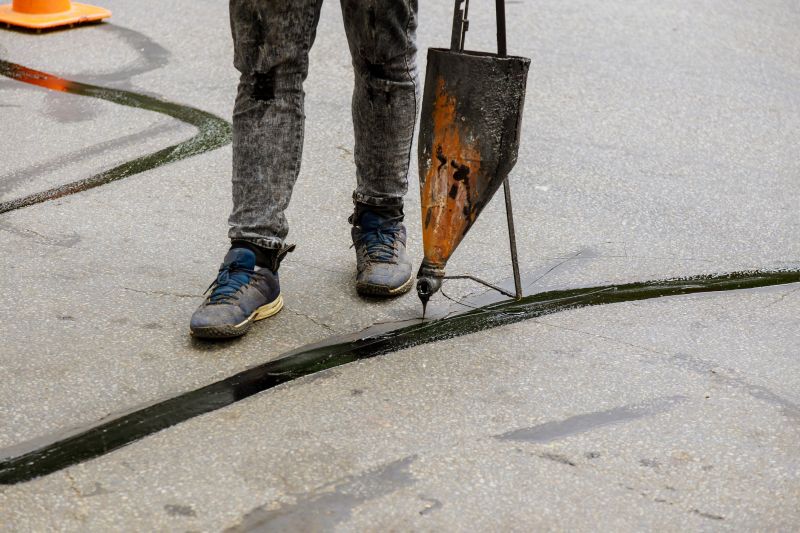
Aggregate Sealing Services
Examples of aggregate sealing work property owners may explore in kitsap county, wa.
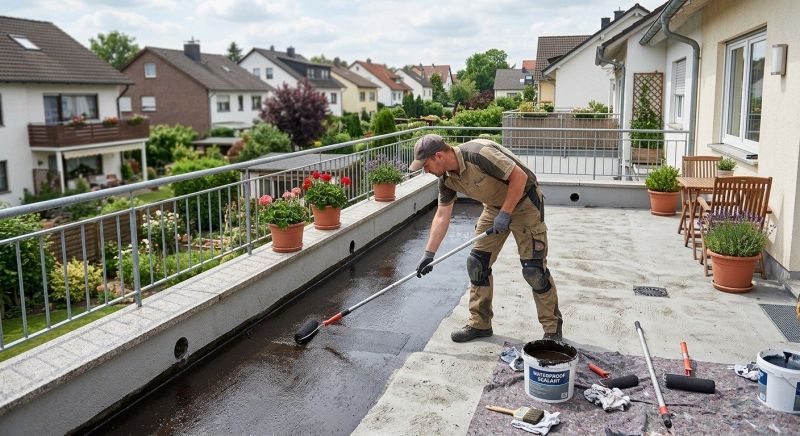
Aggregate Sealing Updates
Common ways people refresh, improve, or restore aggregate sealing features in kitsap county, wa.
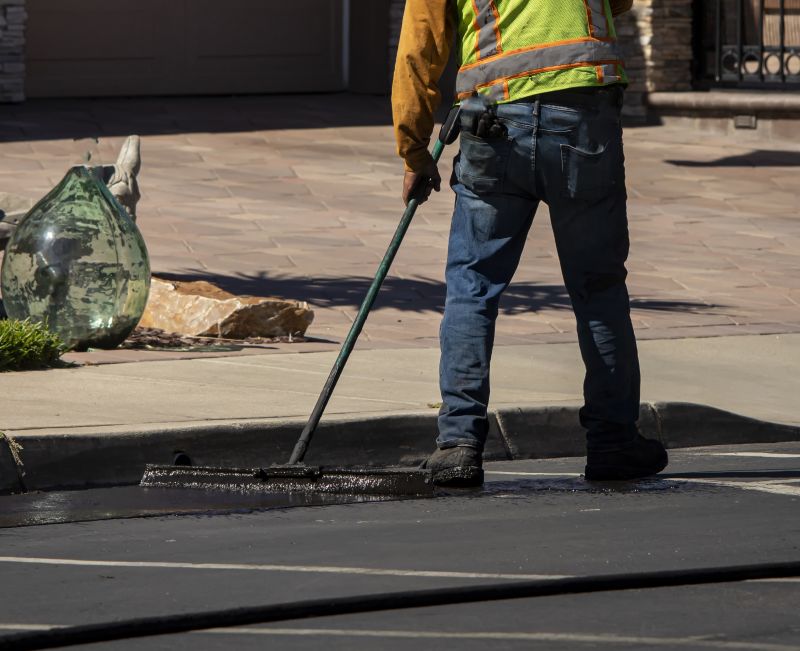
Aggregate Sealing Options
Different styles, layouts, and finishes people consider for aggregate sealing in kitsap county, wa.
Aggregate Sealing in Kitsap County, WA
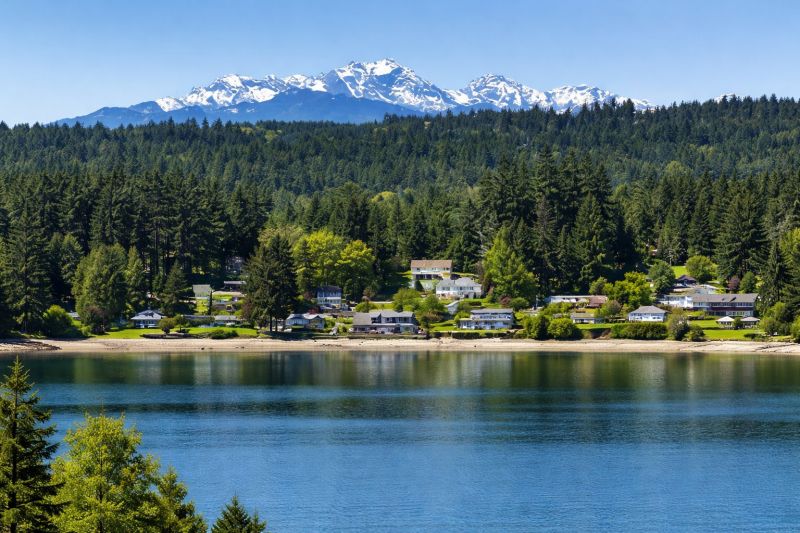
Aggregate sealing services involve applying a protective coating to paved surfaces made of crushed stone, gravel, or other aggregate materials. This process helps prevent erosion, weed growth, and damage caused by weather and foot or vehicle traffic. Common projects include sealing driveways, walkways, patios, and other outdoor surfaces to enhance durability and appearance. Property owners typically want to understand the benefits of sealing, such as increased longevity and reduced maintenance, as well as the preparation steps required before the application.
Before requesting aggregate sealing, property owners should consider the current condition of the surface, including any existing cracks or loose materials that may need repair beforehand. It’s also important to understand the appropriate timing for sealing, usually after the surface has been properly cleaned and dried. Clarifying the type of sealant used and its suitability for specific aggregate materials can help ensure the best results for the project.
Many property owners in Kitsap County, WA look into Aggregate Sealing for repairs, replacements, upgrades, and appearance-related improvements.
Common Aggregate Sealing Jobs
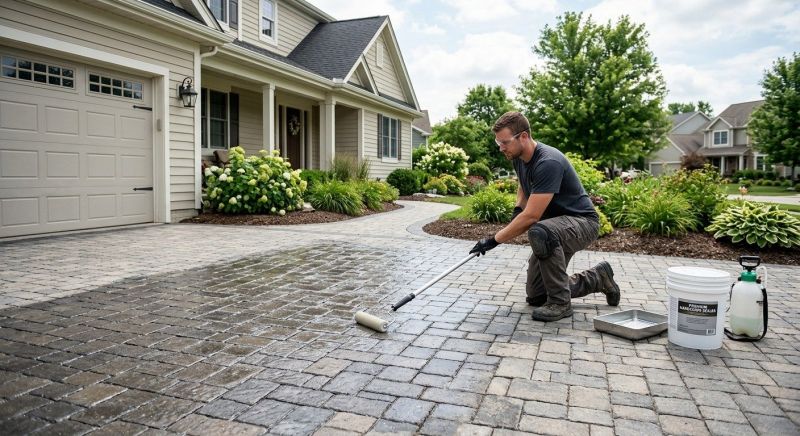
Concrete Driveways - Sealing helps protect concrete surfaces from stains and weather damage.
Patio and Walkway Sealing - Keeps outdoor surfaces resistant to moisture and wear.
Garage Floor Sealing - Provides a durable surface that resists chemicals and cracks.
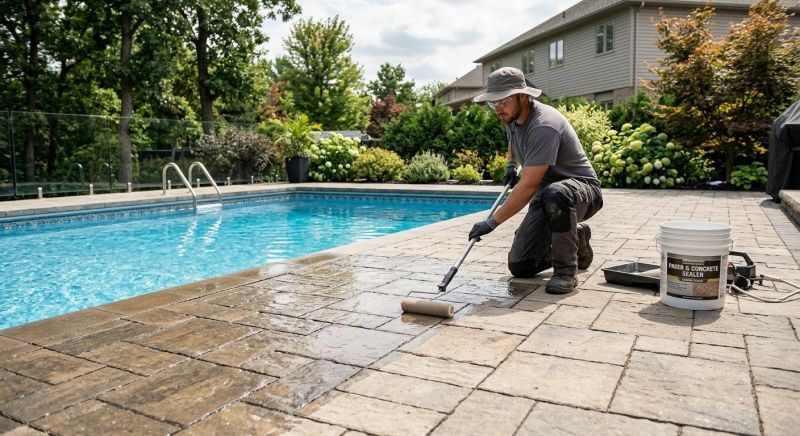
Pool Deck Sealing - Enhances slip resistance and prevents water damage around pools.
Basement Floor Sealing - Helps control moisture and reduce mold growth indoors.
Stone and Brick Sealing - Preserves natural appearance while protecting against staining and erosion.
Aggregate Sealing Questions
What is aggregate sealing? Aggregate sealing involves applying a protective coating to exposed aggregate surfaces to enhance durability and appearance.
Which projects benefit from aggregate sealing? Driveways, walkways, patios, and other outdoor surfaces with exposed aggregate can benefit from sealing to prevent damage and staining.
How often should aggregate surfaces be sealed? Typically, sealing is recommended every 2 to 3 years to maintain protection and appearance.
What are common reasons to seal aggregate surfaces? Sealing helps prevent staining, reduces surface wear, and preserves the natural look of exposed aggregate surfaces.
Request Aggregate Sealing in Kitsap County, WA
Use the quote form on this page to share the basics of your project and request more information for the type of work you need.